

Our Team
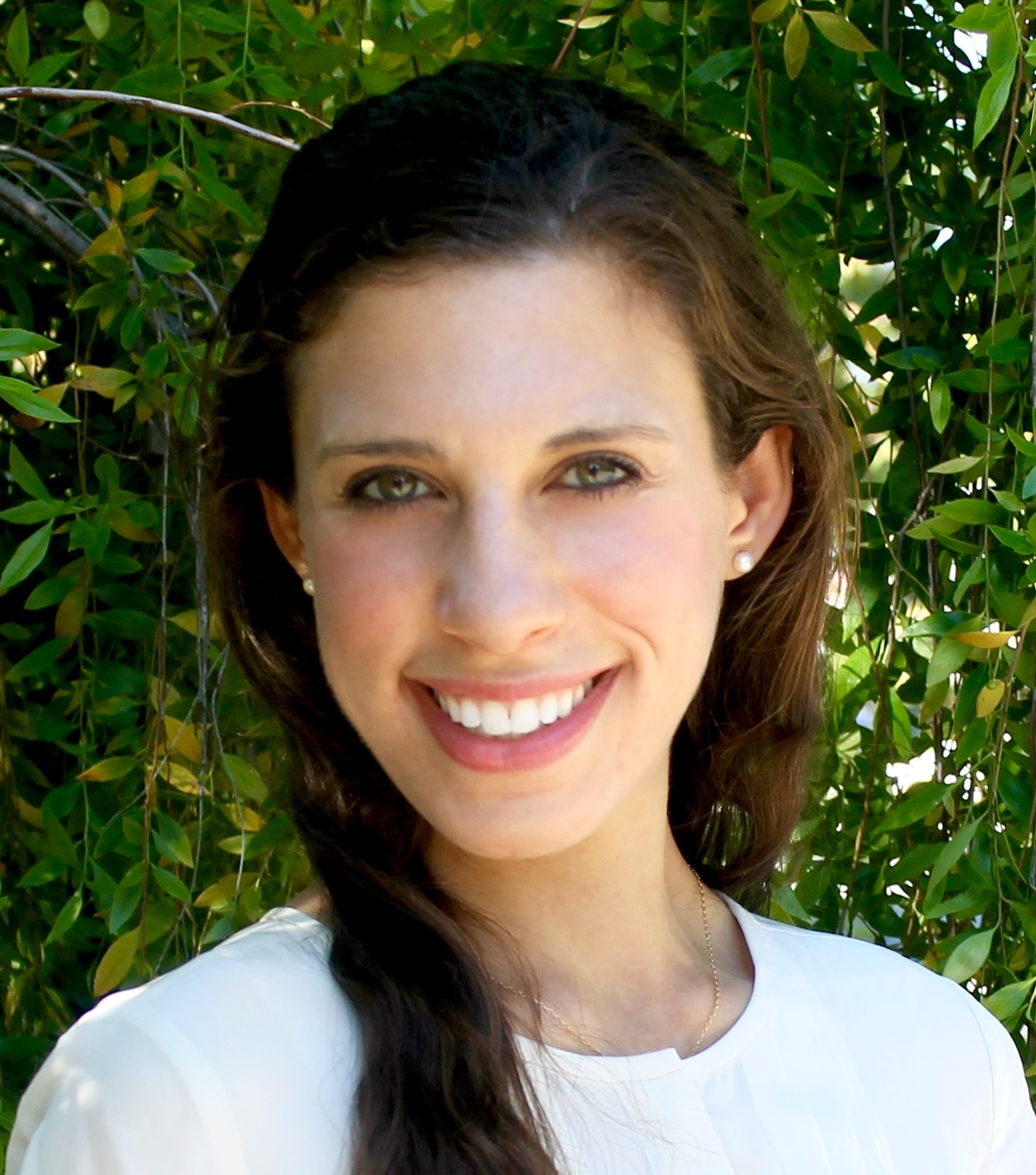
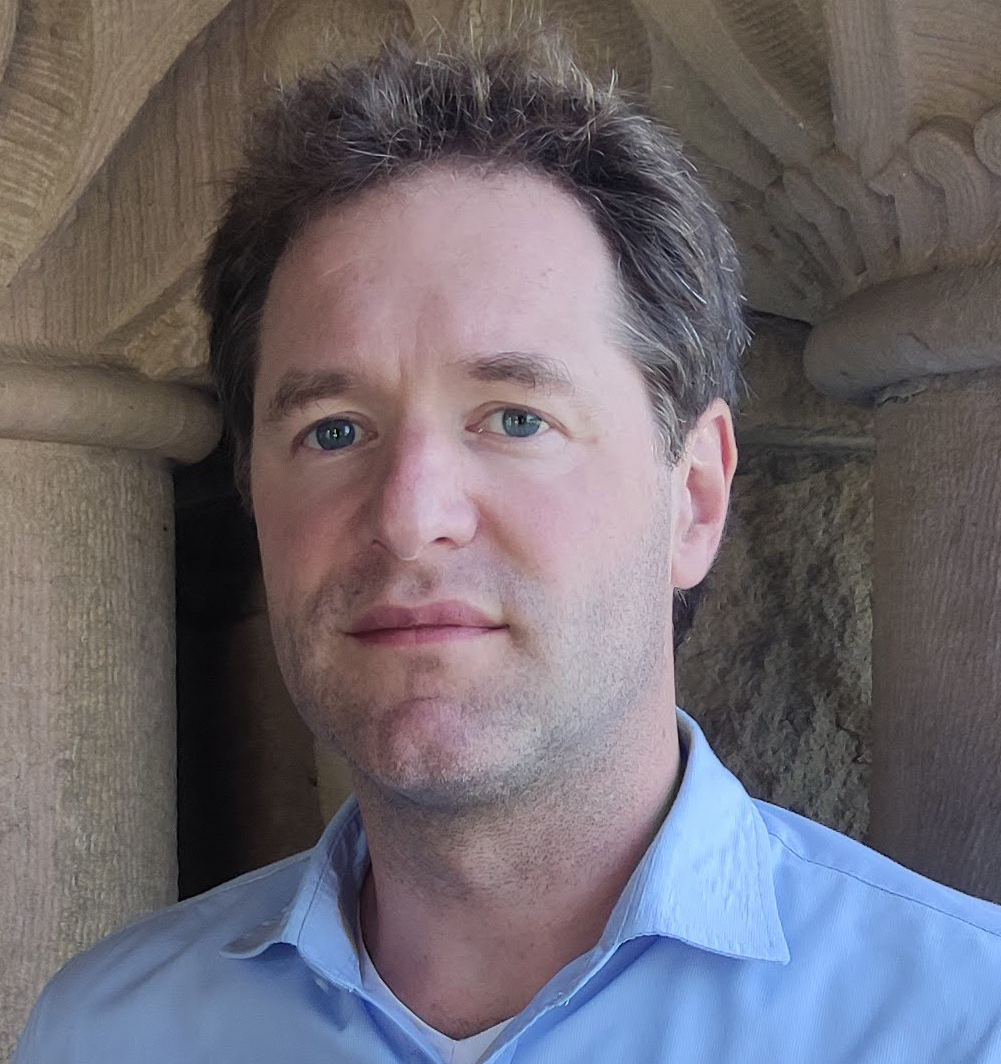



For inquiries about the platform or research collaboration, please reach out to Julia Ransohoff and Ash Alizadeh.
For inquiries about the platform or research collaboration, please reach out to Julia Ransohoff and Ash Alizadeh.
The Board of Trustees of the Leland Stanford Junior University (“Stanford”) provides sMRD website features and services (“Service”) free of charge for non-commercial use only. By using the Service, you agree to be bound by the terms of this Agreement. Please read it carefully.
We will never open, study, or disseminate the contents of any dataset uploaded to this site unless we obtain written permission from the user or are compelled to do so by law.
The information provided by this online tool is for educational and informational purposes only and is not intended as medical advice. It is not a substitute for professional medical evaluation, diagnosis, or treatment. Stanford Health Care and Stanford School of Medicine do not endorse or guarantee the accuracy, reliability, or completeness of any information provided by this tool. Use of this tool is at the user's own risk.
Find answers to common questions about sMRD technology, image requirements, data privacy, and getting started with the platform.
You may use any macroscopic image that captures the spatial registration of your tissue slabs. Images with a pure black background work best, as they simplify tissue detection and improve downstream rendering. If your images are brightfield with a non-uniform background, we have had good results using tools such as Adobe Photoshop to automatically detect the background and render it black prior to upload.
Images do not need to be pre-scaled, but scale information is strongly recommended. Best practice: - Know the pixel size of your images when possible - Use similar pixel resolution across all images within the same case To support this, the Annotate module includes a built-in tool that can derive pixel resolution from any known real-world distance visible in the image (for example, a ruler or labeled measurement).
- Rotated images are supported and can be corrected in the Stack module - Mirrored images are not currently supported If mirroring is required for your workflow, please contact us to discuss potential extensions.
The platform currently supports: - .jpeg - .jpg - .png Each image must be 50 MB or smaller. If you require support for additional formats, feel free to contact us.
Using separate images is recommended, but not mandatory. The platform supports uploading two identical images (same dimensions and tissue alignment): - Raw image: {case_id}_{image_nr}_r.jpeg example: 34_1_r.jpeg - Annotated image: {case_id}_{image_nr}_a.jpeg example: 34_1_a.jpeg Note that case_id and image_nr may only contain integer numeric values. (SH-34 is not allowed, the integer numeric part 34 is allowed) If only a single image is uploaded and it contains annotations, those annotations may remain visible in the final render.
Following the naming convention is strongly recommended for smooth ingestion. The upload interface includes user input fields that allow you to correct or override naming inconsistencies if needed. Reminder: - Raw image: {case_id}_{image_nr}_r.jpeg example: 34_1_r.jpeg - Annotated image: {case_id}_{image_nr}_a.jpeg example: 34_1_a.jpeg Note that case_id and image_nr may only contain integer numeric values. (SH-34 is not allowed, the integer numeric part 34 is allowed)
There is no formal upper limit on the number of tissue slabs or images per case. Fair usage is expected, as extremely large uploads may affect performance or processing time.
Yes. Uploaded images are stored on secure Stanford servers. - Data is siloed per user - You can only access your own cases - You may delete your case data at any time via the website
Users should not upload content that may qualify as PHI under applicable regulations. Please ensure that: - Case IDs are fully de-identified - Case descriptions do not contain patient identifiers - Image metadata (EXIF tags) are removed prior to upload
Yes. - The 3D reconstruction pipeline works for any tissue type - Pathologist ledger metrics (e.g. dispersion score, RCB) are currently optimized for neoadjuvant-treated breast cancer
No. sMRD is currently for research use only and has not yet been clinically validated.
Yes. Reports can be exported as PDF files.
Please contact: cll@stanford.edu
No questions found matching your search.